

New Wildlife Parasite Found in the Pacific Northwest: What Gardeners Should Know
A recent University of Washington study has identified Echinococcus multilocularis—often called the fox tapeworm—in urban coyotes in the Seattle area. This parasite has never before been detected in the Pacific Northwest, and its presence is raising concerns for public health officials, veterinarians, and anyone who gardens or spends time outdoors. (Source: KIRO 7 News, April 30, 2026)
Why this matters to gardeners
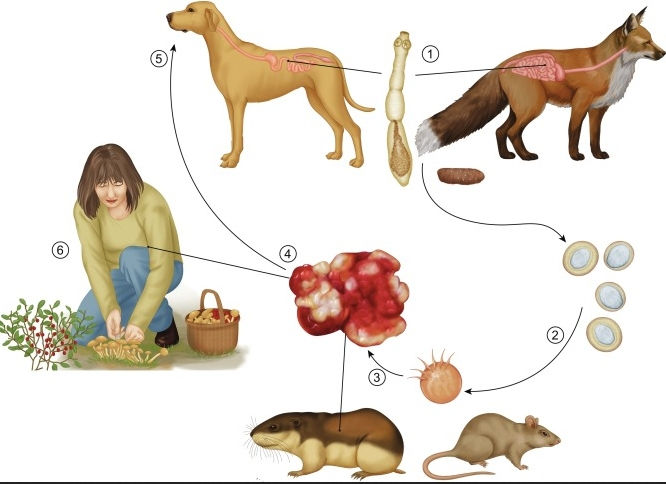
While the adult tapeworm lives harmlessly in coyotes and foxes, the microscopic eggs are shed in animal droppings. These eggs can contaminate soil, garden beds, tools, and produce. People can be exposed by accidentally ingesting them—most commonly through unwashed vegetables, contaminated hands, or contact with infected pets.
In humans, infection is extremely rare but serious. The disease can remain undetected for many years and may cause slow-growing cysts in the liver that can resemble cancer. Dogs are more easily treated, but they can act as a link between wildlife and people if they sniff or roll in wildlife scat.
Practical steps to reduce risk
Gardeners don’t need to panic—but good hygiene is essential, especially in areas where wildlife is present.
Wash all fruits and vegetables thoroughly, especially those grown close to the ground.
Wear gloves when gardening and wash hands well afterward.
Avoid contact with coyote or fox droppings in and around garden areas.
Keep dogs out of garden beds and prevent them from sniffing or eating wildlife scat.
Clean pets if they may have had contact with wildlife droppings.
Talk to your vet about regular deworming if your dog frequents parks, trails, or garden spaces.
What this means locally
Although this study focused on the Seattle area, wildlife corridors and animal movement don’t follow borders. The findings are a reminder that urban and rural gardens alike can intersect with wildlife activity, including here in the Lower Mainland.
Staying informed and practicing basic food safety and garden hygiene remains the most effective way to protect yourself, your family, and your pets.
For more information, you can read the full news report on the KIRO 7 website.


Comments